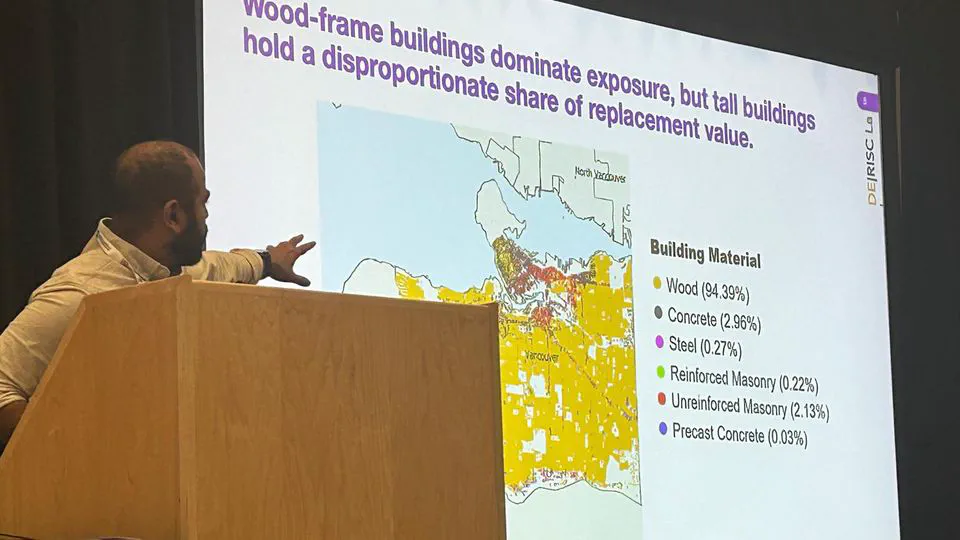
I presented our work on physics-based ground motion simulations and portfolio seismic risk at the 13th National Conference on Earthquake Engineering in Portland, Oregon. The paper compares physics-based simulations against empirical ground motion models for Metro Vancouver’s building portfolio under an M9 Cascadia subduction zone scenario, finding that empirical models significantly underestimate shaking and losses for tall buildings situated on deep sediment — a result with direct implications for how regional risk is quantified and communicated to insurers and city planners.
I presented our work on physics-based ground motion simulations versus empirical models for portfolio-level seismic risk assessment at the 2026 GEM Conference: From Faults to Future Scenarios in Zagreb, Croatia.
I was selected as one of three UCL Engineering ABSW Media Fellows for 2026, through the Association of British Science Writers Media Fellowship Scheme. The fellowship places practising scientists and engineers in media outlets for two to six weeks.
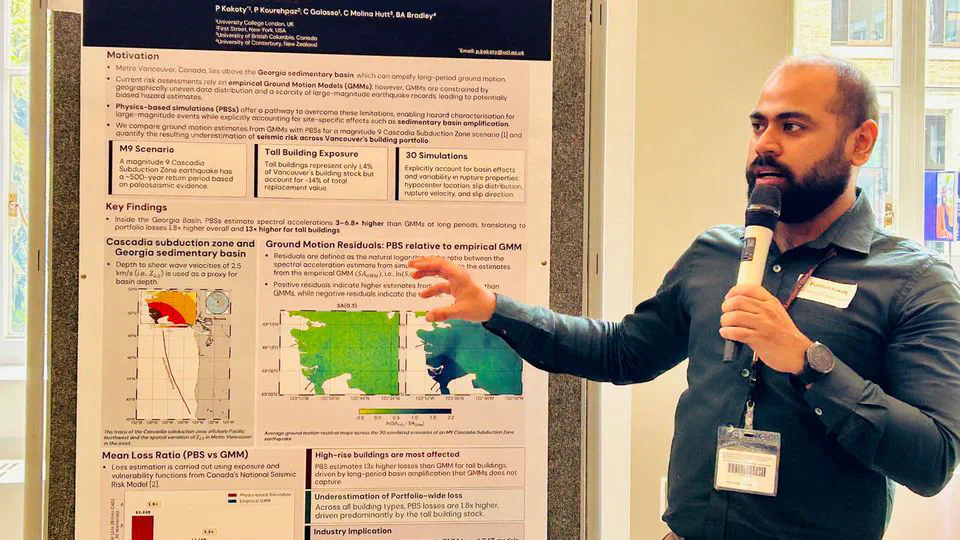
I presented a poster at the inaugural RIAGE (Re)Insurance-Academia Global Earthquake Workshop at UCL. This was a unique mix of catastrophe modelers, underwriters, and earthquake scientists sat together to share recent developments and future paths.
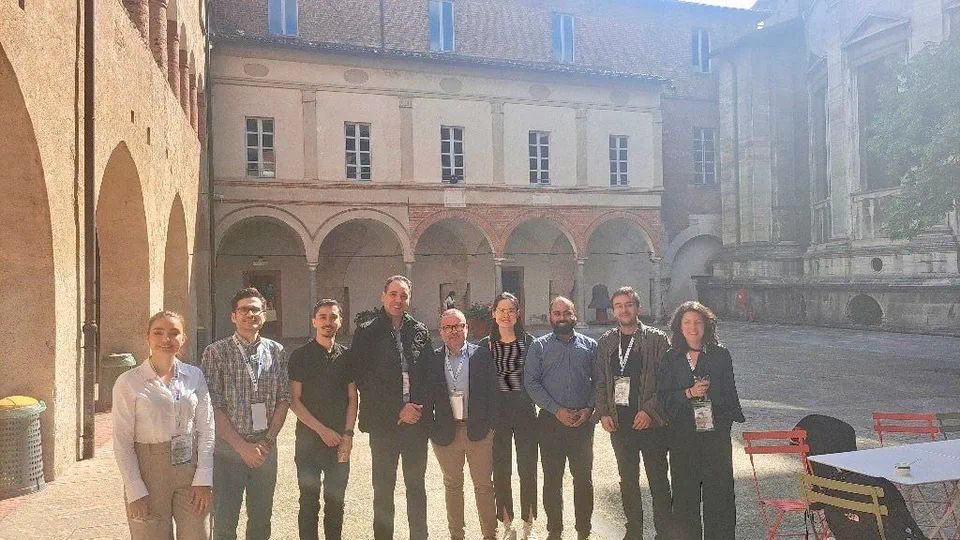
I attended the NEXT-GEN Spring School at IUSS Pavia, bringing together PhD students and researchers working across earthquakes, floods, droughts, and climate adaptation. The clearest takeaway: meaningful multi-hazard risk assessment and mitigation cannot be done within a single discipline.
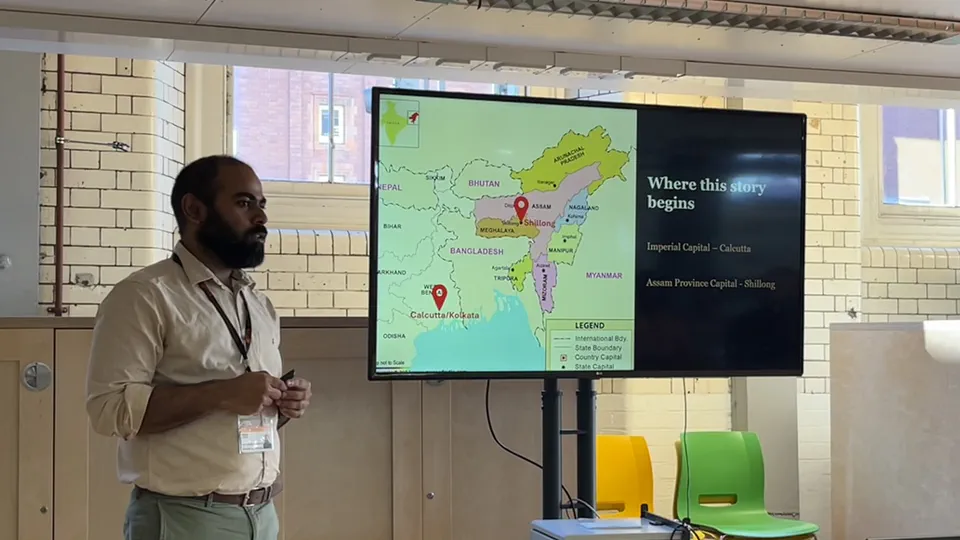
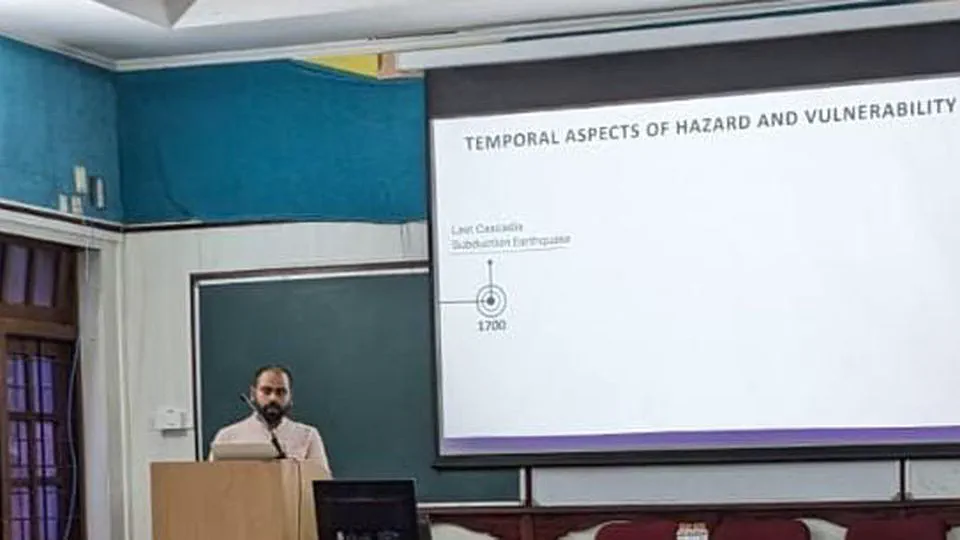
I gave a talk at UCL’s Department of CEGE on one of the largest earthquakes in recorded history — and one that happened in my hometown. The talk traces the 1897 Great Assam Earthquake through an unlikely cast of characters from British-raj India: an administrator whose bungalow crumbled to dust, a geologist improvising a seismometer from tin and bamboo, and a field scientist whose memoir would anchor scientific debate for over a century.
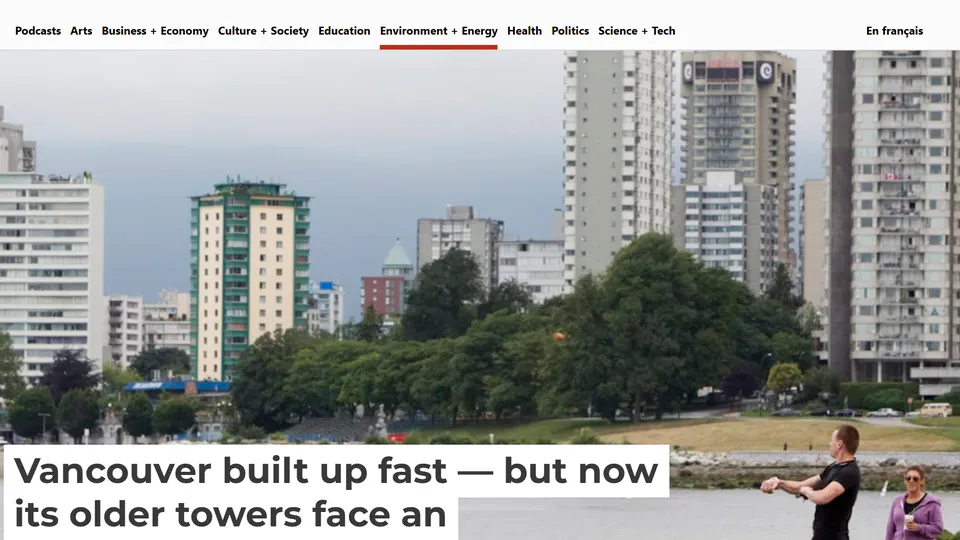
Carlos Molina Hutt and I wrote about Vancouver’s seismically vulnerable 1960s-70s concrete towers for The Conversation — who bears the risk, who should pay for retrofits, and what cities like Los Angeles have tried.
I joined the DE|RISC lab at UCL to start a Marie Skłodowska-Curie Postdoctoral Fellowship with Professor Carmine Galasso. The project focuses on resilience enhancement through multi-hazard recovery analysis of earthquake and flood-affected infrastructure.
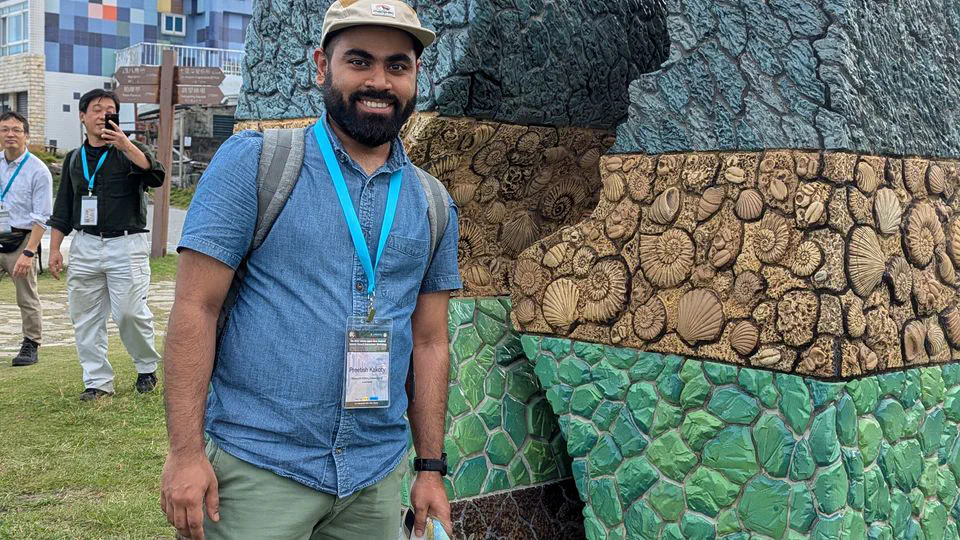
I attended the 2025 Taiwan-Japan-New Zealand Seismic Hazard Assessment Workshop in Yilan, where national model leads from three countries shared updates on time-dependent earthquake models, nonergodic ground-motion models, physics-based simulations, and more.
I gave a talk at IIT Bombay and IISc Bangalore on how earthquake risk models function less as precise predictions and more as heuristics for policy — which makes how modelers communicate uncertainty and limitations just as important as the models themselves.